
Be it while preparing for the toughest trek in your life into the Everest Base Camp, most of you will be concentrating on boots, clothes, and altitude training, ng being careful is something which many people miss. But the hiking at high altitudes on the Everest Base Camp trail will put you in places with strong winds, dust, and debris that can irritate or scratch your eyes. Blowing wind and bits of airborne refuse have always been a problem — from the lower valleys around Lukla, all the way up to the high alpine terrain at Everest Base Camp.
That which protects the eyes also serves for their comfort and safety. Irritated or uncomfortable eyes can be a distraction, minimize attention to challenging trail conditions, and make your Everest Base Camp trek from Kathmandu riskier. Quality eye protection also works well with other safety-related equipment as you’re making your way along high-altitude trails and checking your Everest Base Camp trek map or GPS devices.
Knowing the Environmental Hazards on the EBC Trail
The Everest Base Camp trek 2025 offers stunning views but also presents potential environmental hazards. Strong winds scour dust, fine grit , and snow particles along narrow valleys and ridges. Dust in the eyes can result in redness, pricking eyes , and blurred vision, with high winds adding more woo of Everest Base Camp trek altitude sickness symptoms such as headaches or tiredness. All of which makes that trek tougher, and reliance on equipment even greater. Mastering these hot and cold extremes early in your EBC trek packing list makes sure that you can enjoy trekking to Namche Bazaar, Tengboche, and beyond without any discomfort or disturbances.
Picking Out Eyewear for the Trek
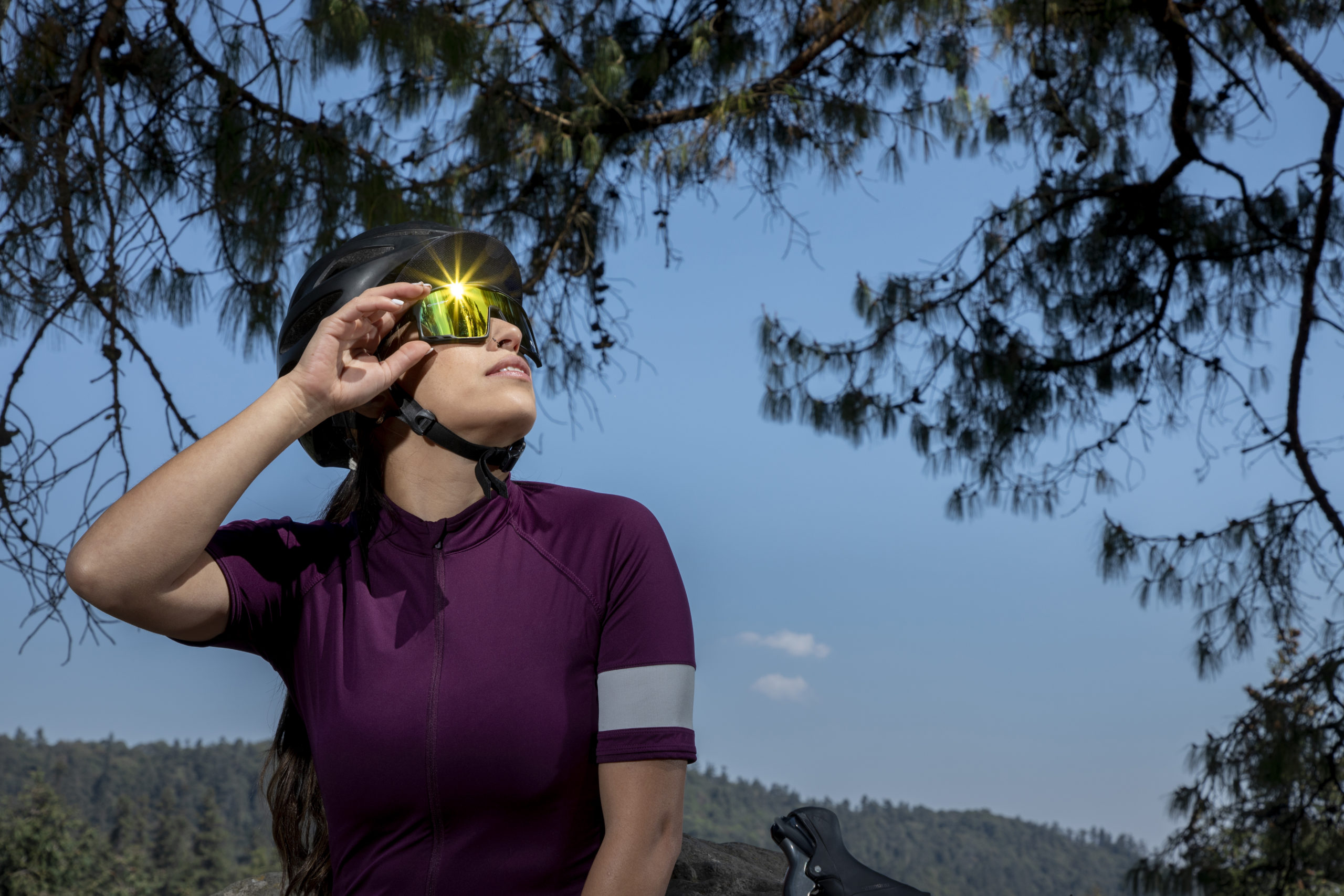
What type of eyewear is essential for the trek? Choosing the right eyewear is one of the most important Everest Base Camp trek tips. Polarized sunglasses cut down on snow glare, and the wrap-around styles shield eyes from wind, dust. Seek out models that offer UV400 ‘‘protection,’’ which will help protect your eyes from high altitude sun, up to three times more harmful than altitudes over a thousand meters. Anti-scratch, anti-fog trekking eyeglasses make you go hiking further and higher, especially if it’s an Everest Base Camp helicopter return trek where gusty winds are overwhelming. Lightweight EBC trek daypacks are best for long days of hiking, either on the hike to Everest Base Camp from Kathmandu or with any Everest Base Camp trek package you book through a local agency. You can consult your Everest Base Camp trek guide regarding brands of eyegear and fit for comfort during long descents and ascents on the trail.
Combining Eyewear with Physical Barriers
Physical barriers in the form of buffs, hats with brims and hoods can reduce eye exposure to dust and wind, as well as sunglasses. A good buff around the nose and cheeks will protect against dust in your eyes, as well as maintain warmth on the colder parts of the Everest Base Camp trek 2025 trail. Pairing these layers with wrap-around sunglasses is a foolproof barrier to help you keep your eye on the prize as well as on time when trekking along steep sections of the trail and adhering to your Everest base camp trek itinerary schedule. These tips should especially be taken when hiking across exposed ridges, glacial moraines, or on a windy morning and afternoon, because it’s common even as you take an Everest Base Camp trek best time during spring and autumn.
How to Care for Eyes on the Trail
Even with protective goggles, eye hygiene is important. Take a little bottle of sterile saline solution or eye drops to wash out dust particles if your eyes get irritated. Avoid rubbing your eyes – it can irritate the eyes further or scratch the cornea – this is particularly important when trekking on trails with a lot of fine Himalayan dust around. These, in addition to the Everest Base Camp trek tips you get from your Everest Base Camp trek guide that will make for a much easier and safer adventure. Keeping eyewear in the clean, protective case when not being worn will eliminate scratching while maintaining lens clarity to follow your Everest Base Camp trek map or take a picture of the iconic peaks along the route.
Altitude and Environmental Challenge Preparations
High altitude trek can accentuate wind/dust sensitivity. When you are traveling along the Everest Base Camp trek, altitude can stress your physical condition and lead to your eyes drying up, causing a higher level of discomfort. Scheduled rest days that include hydration are critical, and the right eye protection is part of this bigger picture. If you are on a higher elevation Everest Base Camp trek package, then your gear list must have eyewear for all types of conditions– glare in dusty lower valleys and snowy high camps. Contacting a local organization or guide can provide the best time to know when there will be an increased exposure to wind along sections of the trail, limiting the chance for eye strain and enhancing overall enjoyment on your journey.
Including Eye Care in Your Trek Set Into Habit
Effective eye care is a component of the larger trekking regimen. For sun/ski/ice protection, I wear shades during all daylight hours (“a cloudy day is not a holiday” in the high places), says me. Quick lens checks and cleanings help maintain clarity along the trek to Everest Base Camp from Kathmandu. In case of chronic irritation, your Everest Base Camp trek guide can suggest local creams or changes in habit. For the majority of trekkers, eye care combined with hydration, nutrition, and rest not only improves overall performance but can reduce the chances of exacerbating Everest Base Camp trek altitude sickness, to continue your journey even safer and more enjoyable.
Final Words – Championing Eye Safety on the Everest Base Camp Trek
Protecting your eyes from wind and dust on the Everest Base Camp trek is an important consideration when preparing for your journey, and is one of those issues that lie alongside things like dealing with Everest Base Camp trek altitude sickness or planning out what to take on the Everest Base Camp Trek. So pick some quality eyewear and either a buff or a hood, then keep your eyes, and you’ll be comfortable and safe from Lukla to EBC.
In case you are wondering how to do the Return Trek of Everest Base Camp via helicopter, your eyes stay protected on the way and from the mchchilly windn discussing with your Everest Base Camp trek guide, and by keeping in mind the advice of your local agency, gear choices will match your style of trekking, the Everest Base Camp trek cost, as well as long-term objectives.
Invest in eye care and you’ll really be able to appreciate the stunning Himalayan views, read your Everest Base Camp trek map properly, and store up fantastic memories as you trail blaze a path through one of the most awe-inspiring parts of the world. Smart planning ensures that your eyes stay as equipped and unsinkable as the rest of your trekking equipment, ensuring that you go through Nepal’s Everest Base Camp Trek 2025 in safety, enhanced comfort, rt and memorable experiences.
About the Author