Man, newspaper, read — Luxury Living vs Affordable Housing in Singapore: Which Investment Strategy W
Singapore’s property market is known for its diversity, offering everything from ultra-luxury penthouses to practical, budget-friendly apartments. For investors, one of the most important strategic decisions is whether to focus on luxury properties or affordable housing. Each segment offers distinct advantages, and the right choice depends on your financial goals, risk tolerance, and investment timeline.
In 2026, as the market continues to evolve, understanding the dynamics between these two segments is crucial for making informed property decisions.
Defining Luxury and Affordable Segments
Luxury properties in Singapore are typically located in prime districts such as Orchard, Marina Bay, and Sentosa Cove. These developments feature high-end finishes, exclusive facilities, and prestigious addresses. They cater to affluent buyers, expatriates, and high-net-worth individuals.
Affordable housing, on the other hand, includes mass-market condominiums and suburban developments. These properties are more accessible in terms of pricing and appeal to a broader demographic, including young professionals, families, and first-time buyers.
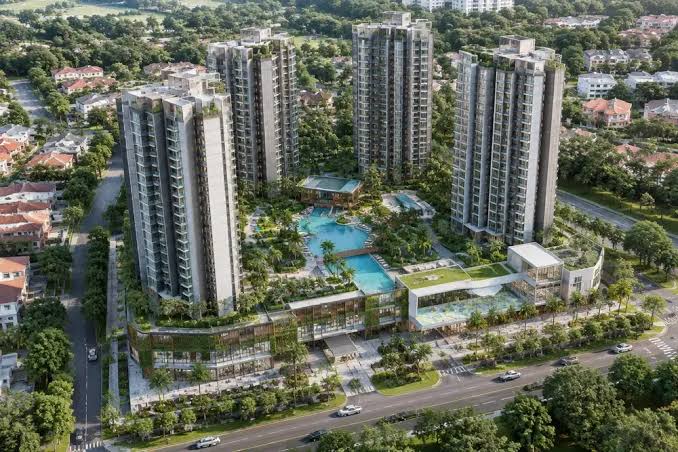
Developments like Lucerne Grand fall into the category of modern residential projects that balance lifestyle and value, making them attractive to a wide range of buyers. Similarly, Island Residences reflects the growing demand for well-designed homes that offer both comfort and affordability.
Entry Costs and Accessibility
One of the most obvious differences between luxury and affordable housing is the entry cost. Luxury properties require a significant financial commitment, often limiting the pool of potential investors.
Affordable properties, in contrast, allow investors to enter the market with a lower initial investment. This accessibility makes it easier to diversify across multiple properties, reducing overall risk.
For new investors, starting with affordable housing can be a practical way to build experience and gradually expand their portfolio.
Rental Demand and Yield
Rental performance varies significantly between the two segments. Luxury properties tend to attract expatriates and high-income tenants, but demand can be more volatile, especially during economic downturns.
Affordable housing, however, benefits from consistent demand. A larger tenant pool means lower vacancy rates and more stable rental income. In many cases, affordable properties offer higher rental yields compared to their luxury counterparts.
Projects such as Lucerne Grand and Island Residences are designed to appeal to modern tenants, ensuring steady demand and competitive rental returns.
Capital Appreciation Potential
Luxury properties are often associated with long-term capital appreciation. Their prime locations and limited supply contribute to their enduring value. However, price growth may be slower due to the already high base price.
Affordable properties, particularly those in emerging districts, often have greater potential for price growth. As infrastructure improves and neighborhoods develop, property values can increase significantly.
Investors who enter the market early in developing areas may benefit from both rising prices and increasing rental demand.
Risk Considerations
Every investment comes with risks, and property is no exception. Luxury properties carry higher financial risk due to their large capital requirement. Market fluctuations can have a more pronounced impact on high-value assets.
Affordable housing generally involves lower financial risk, making it a safer option for many investors. The broader demand base also provides a buffer against market volatility.
That said, investors should still conduct thorough research and consider factors such as location, developer reputation, and market trends before making a decision.
Lifestyle Appeal and Market Trends
Modern buyers and tenants are increasingly prioritizing lifestyle features. Amenities such as gyms, swimming pools, co-working spaces, and green areas are no longer considered luxuries—they are expectations.
Luxury developments often lead the way in offering premium lifestyle experiences. However, affordable housing projects are catching up quickly, incorporating similar features at a more accessible price point.
Developments like Lucerne Grand and Island Residences highlight this trend, offering residents a high standard of living without the premium price tag of traditional luxury properties.
Financing and Investment Strategy
Financing plays a key role in determining which segment is more suitable for you. Luxury properties may require larger loans and higher monthly repayments, which can impact cash flow.
Affordable properties, with their lower purchase prices, often result in more manageable financing arrangements. This can make it easier to maintain positive cash flow, especially when combined with rental income.
Some investors adopt a hybrid strategy—investing in one luxury property for long-term appreciation while holding multiple affordable units for rental income. This approach allows for diversification and a balanced risk profile.
Market Liquidity
Liquidity is another important factor to consider. Affordable properties tend to be more liquid, as they appeal to a wider range of buyers. This makes it easier to sell the property when needed.
Luxury properties, while valuable, may take longer to sell due to their niche market. Investors should be prepared for longer holding periods and less flexibility in exiting the investment.
Which Strategy Is Right for You?
There is no definitive answer to whether luxury or affordable housing is the better investment. The right choice depends on your individual circumstances and objectives.
If you prioritize prestige, exclusivity, and long-term value preservation, luxury properties may be the right fit. If your focus is on steady rental income, affordability, and growth potential, then affordable housing may offer better opportunities.
Projects like Lucerne Grand and Island Residences demonstrate how modern developments are bridging the gap between these two segments, offering a combination of quality, convenience, and investment potential.
Final Thoughts
Singapore’s property market continues to offer diverse opportunities for investors in 2026. Whether you choose luxury living or affordable housing, the key to success lies in understanding market dynamics and aligning your strategy with your goals.
By carefully evaluating factors such as entry cost, rental demand, risk, and growth potential, you can make informed decisions that support long-term financial success. In a market as dynamic as Singapore’s, staying adaptable and well-informed is essential for maximizing returns.
About the Author