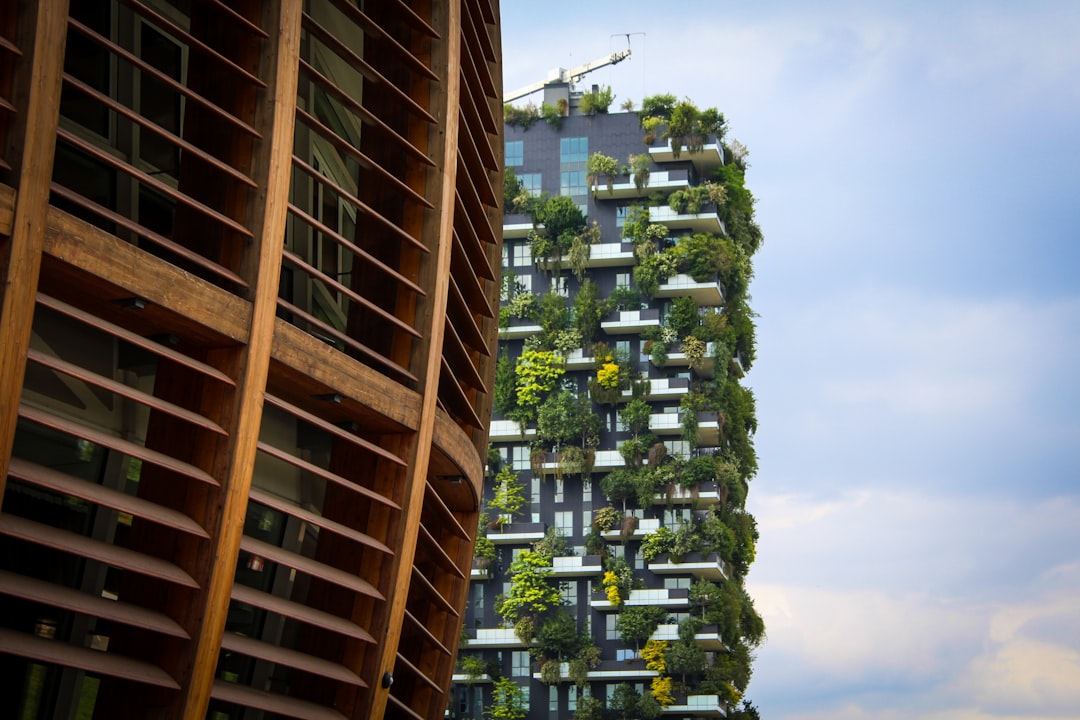
Sustainability has become an increasingly important consideration in Singapore’s residential property landscape. As homeowners become more aware of environmental impact, energy efficiency, and long-term living quality, developers are placing greater emphasis on creating greener communities. Sustainable residential developments are designed to reduce resource consumption while improving comfort and functionality for residents. This shift reflects a broader movement toward homes that support responsible living without compromising convenience, design, or everyday enjoyment.
In This Article
- Changing Expectations Among Modern Homebuyers
- Energy Efficiency Creates Practical Benefits
- Green Spaces Improve Everyday Well-Being
- Sustainable Design Enhances Residential Appeal
- Supporting Singapore’s Long-Term Urban Goals
- Technology Strengthens Sustainable Living
- Future Demand for Responsible Communities
- Building Homes That Support Tomorrow’s Needs
Changing Expectations Among Modern Homebuyers
Today’s buyers consider more than just the appearance and location of a property. Many now evaluate how a development supports healthier lifestyles, efficient resource use, and long-term practicality. Features such as energy-saving systems, green spaces, and environmentally conscious designs are becoming important factors during the purchasing process.
This change in expectations has encouraged developers to rethink traditional residential planning. Homes are increasingly designed around the idea that sustainability should be integrated into daily life rather than treated as a separate feature. Buyers are looking for properties that offer meaningful benefits while aligning with their values and future needs.
Energy Efficiency Creates Practical Benefits
One of the key advantages of sustainable residential developments is improved energy efficiency. Modern projects may incorporate features such as energy-saving lighting, efficient cooling systems, and smart building solutions that help reduce unnecessary consumption. These elements contribute to better resource management while maintaining a comfortable environment for residents.
Lower energy usage can also support more predictable household expenses over time. While savings depend on individual habits and usage patterns, efficient systems encourage responsible consumption. This combination of environmental benefits and practical advantages makes sustainability increasingly attractive to homeowners seeking long-term value.
Green Spaces Improve Everyday Well-Being
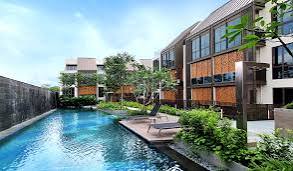
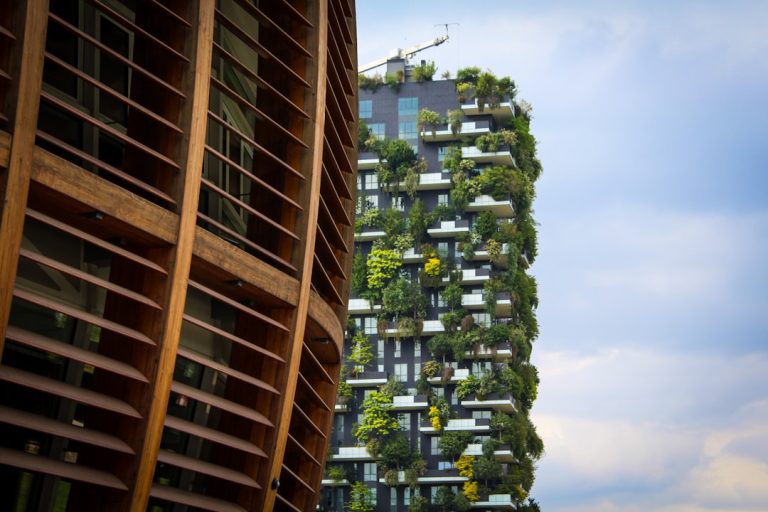
Nature plays an important role in creating comfortable residential environments. Sustainable developments often include landscaped gardens, outdoor relaxation areas, and greenery integrated into communal spaces. These features provide residents with opportunities to enjoy fresh air, relaxation, and outdoor activities within their own neighbourhood.
Access to natural surroundings can also influence how people experience their homes. Green spaces create a calmer atmosphere, encourage outdoor movement, and contribute to a more pleasant living environment. As urban density increases, thoughtful integration of greenery becomes an important part of residential design.
Sustainable Design Enhances Residential Appeal
Sustainable features are becoming closely connected with the overall quality of a development. Buyers increasingly appreciate homes that combine environmentally responsible planning with practical lifestyle advantages. Efficient layouts, natural ventilation, and thoughtful building designs can improve comfort while reducing environmental impact.
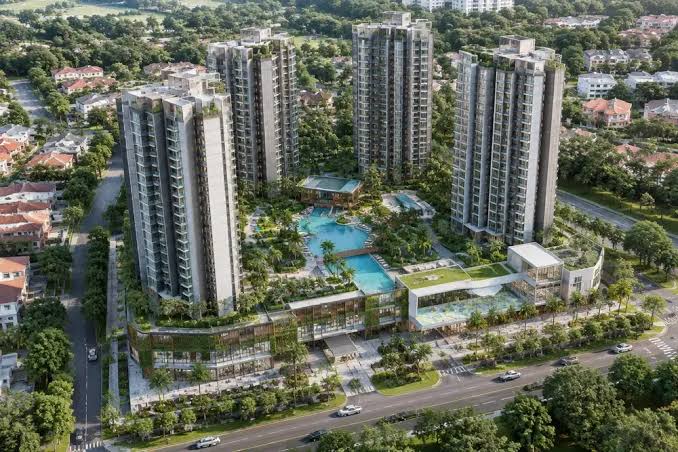
Developments such as The Serra Residences reflect how modern residential projects are incorporating elements that appeal to buyers seeking balanced living environments. Sustainable planning allows homeowners to enjoy comfortable spaces while supporting a more responsible approach to urban living.
Supporting Singapore’s Long-Term Urban Goals
Singapore has placed strong emphasis on sustainable development as part of its broader urban planning approach. Residential communities play an important role in these efforts by incorporating features that improve environmental performance and encourage more responsible lifestyles.
Sustainable housing contributes to wider goals such as reducing energy consumption, improving resource efficiency, and creating healthier communities. As the city continues to develop, residential projects that support these objectives are becoming increasingly relevant to both buyers and developers.
Technology Strengthens Sustainable Living
Technology is helping sustainable homes become more efficient and easier to manage. Smart systems can monitor energy usage, automate lighting controls, and improve building operations. These tools allow residents to make better decisions about consumption while enjoying greater convenience.
Technology also supports the long-term management of residential developments. Building systems that monitor performance and maintenance needs can help preserve quality over time. This combination of sustainability and innovation creates homes that are better prepared for changing expectations.
Future Demand for Responsible Communities
The demand for sustainable residential developments is expected to continue as buyers place greater importance on environmental responsibility and quality living experiences. Homes that incorporate green features, efficient systems, and thoughtful community planning are becoming increasingly appealing across different buyer groups.
Projects like Dunearn Green demonstrate how residential developments are adapting to these changing preferences. Buyers are increasingly recognising that sustainability is closely connected to comfort, efficiency, and long-term residential satisfaction.
Building Homes That Support Tomorrow’s Needs
Sustainable residential developments represent a shift toward smarter and more responsible ways of living. By combining energy efficiency, green spaces, technology, and thoughtful planning, these communities provide benefits that extend beyond environmental protection. As Singapore continues to evolve, sustainable housing will play an important role in creating residential environments that remain comfortable, practical, and suitable for future generations.
What You Need to Know
- Sustainability is increasingly important in Singapore’s residential property landscape as homeowners prioritize environmental impact and energy efficiency.
- Developers are focusing on creating greener communities with features like energy-saving systems and green spaces that support healthier lifestyles.
- Energy-efficient residential developments contribute to better resource management and help residents maintain predictable household expenses.
- The integration of green spaces in residential designs is essential for enhancing everyday well-being and creating a pleasant living environment.
- Singapore’s urban planning emphasizes sustainable development, making residential projects that support environmental goals relevant to both buyers and developers.
- The demand for sustainable residential developments is expected to grow as buyers seek homes that align with their values of environmental responsibility and quality living.
About the Author