The Philippine financial sector is moving into a stage where digital adoption must translate into stronger financial capability, wider access, and dependable customer experiences. Banks, fintech companies, insurers, regulators, and technology providers are increasingly focused on turning digital infrastructure into services that can operate securely at national scale.
This shift is especially important as fintech in Philippines develops beyond individual payment applications toward interconnected financial ecosystems. Digital transactions are becoming embedded in everyday financial activity, creating opportunities for institutions to improve accessibility while developing efficient systems that can support growing transaction volumes and evolving customer expectations.
Digital Payments Are Creating a Broader Financial Ecosystem
Digital payments have become an important foundation for financial modernization across the country. Consumers increasingly expect convenient transactions, while institutions need systems capable of processing rising volumes without sacrificing security, reliability, or regulatory compliance. This environment is encouraging financial providers to rethink how payment capabilities connect with their broader operations.
The next challenge involves making those systems more interoperable, accessible, and useful across different customer groups. Payment modernization can support merchants, salaried workers, government beneficiaries, overseas Filipino workers, and underserved communities when services are designed around actual financial behavior rather than technology adoption alone.
Key priorities influencing payment development include:
- Faster and more dependable transaction processing across channels
- Stronger connections between financial institutions and digital platforms
- Improved fraud monitoring around electronic transactions
- Simpler payment experiences for consumers and businesses
From Payment Tools to Connected Experiences
Financial institutions are increasingly viewing payments as part of a larger customer journey rather than an isolated function. Transaction information can support personalization, fraud detection, service improvements, and financial planning when institutions establish appropriate governance around its use.
Building Interoperability Across Financial Networks
Interoperability can reduce friction between platforms while making financial services easier to access. As digital ecosystems mature, institutions require technical architectures that allow secure information exchange without creating unnecessary complexity for customers or operational teams.
Expanding Merchant Participation
Merchant adoption is another important element of a cash-lite economy. Smaller enterprises need straightforward payment acceptance, transparent processes, reliable settlement, and financial services that reflect their operating conditions if digital transactions are to become a sustainable part of everyday commerce.
Strengthening Transaction Security
Higher transaction volumes also create greater responsibility for financial providers. Continuous authentication improvements, cybersecurity controls, fraud analytics, secure digital identities, and responsive incident management can help institutions maintain confidence while expanding electronic financial services.
Financial Inclusion Requires More Than Digital Access
Technology can extend financial services beyond traditional branches, but availability does not automatically produce meaningful inclusion. Digital onboarding and accessible services can help financial institutions reach farmers, fishers, overseas Filipino workers, informal workers, smaller enterprises, and communities that have traditionally faced barriers to formal financial participation.
Institutions therefore need to examine how customers actually interact with financial products. Digital literacy, connectivity, affordability, identity verification, trust, and service simplicity can determine whether an account becomes genuinely useful. Inclusion efforts work better when financial products fit practical household and business requirements.
Important areas requiring attention include:
- Accessible mobile-first financial interfaces
- Straightforward onboarding and identity verification
- Financial education connected with digital services
- Products designed around varied income patterns and customer needs
Modernizing Technology Without Disrupting Operations
Legacy infrastructure remains a significant consideration for established financial institutions. Modernization requires more than replacing older systems because core banking platforms connect payments, deposits, lending, customer information, compliance processes, and numerous operational workflows. Poorly coordinated migration can create additional complexity instead of resolving it.
A phased architecture can help institutions modernize critical capabilities while maintaining essential services. Cloud infrastructure, application programming interfaces, modular platforms, and automated processes can create greater flexibility when supported by disciplined governance. The objective is to build technology foundations that can accommodate future products without requiring constant structural rebuilding.
Moving From Pilots to Scalable Systems
Successful transformation depends on whether new technologies can progress from experimentation into production environments. Institutions need measurable business cases, defined ownership, technical standards, governance structures, and operational readiness before promising innovations can become dependable enterprise capabilities.
Developing Cloud-Ready Architecture
Cloud adoption can provide scalability and flexibility, but migration decisions must reflect security, regulatory, integration, and resilience requirements. Financial institutions can use carefully structured cloud environments to support modernization while maintaining appropriate controls over information, infrastructure, applications, and operational continuity.
Artificial Intelligence Moves Toward Practical Deployment
Artificial intelligence is becoming increasingly relevant across customer engagement, analytics, risk operations, and internal financial processes. Its value, however, depends on how effectively institutions connect models with reliable data, appropriate oversight, and clearly identified business problems. Deployment without governance can introduce operational and reputational exposure.
For financial organizations, responsible implementation requires explainability, monitoring, accountability, and model risk controls. The focus is shifting from isolated demonstrations toward AI systems capable of supporting regulated environments. Institutions can consequently evaluate automation according to measurable outcomes rather than adopting emerging technology simply because it is available.
Potential applications across financial services include:
- Conversational assistance for customer service
- Behavioral analysis for relevant financial guidance
- Automated fraud and anomaly detection
- Data-supported operational decision-making
Final Thoughts
What will separate meaningful financial transformation from another collection of digital projects? The answer lies in connecting innovation with measurable customer value, institutional resilience, inclusion, and trust. As financial organizations refine fintech transformation strategies, decisions around payments, AI, cloud architecture, cybersecurity, and customer experience need to support a coherent long-term direction rather than isolated technology initiatives.
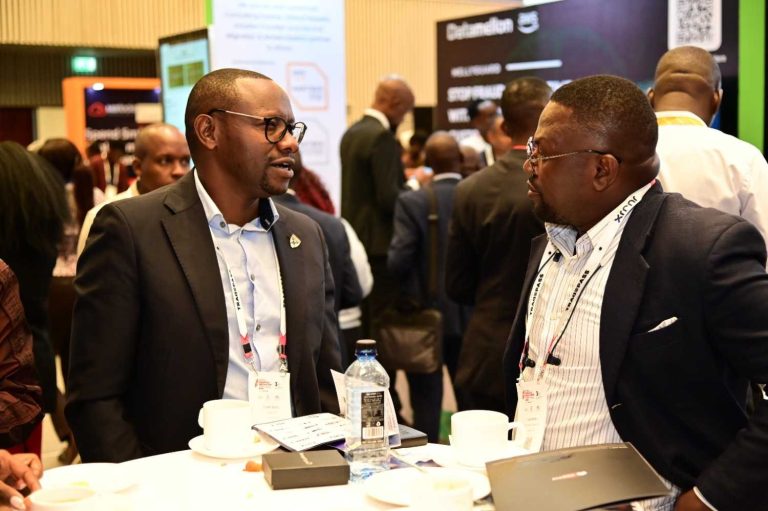
For leaders seeking those conversations, the fifth edition of World Financial Innovation Series (WFIS) – Philippines 2026 creates a focused meeting point for the country’s financial ecosystem. Taking place on August 25-26, 2026, at Manila Marriott, the event is set to bring together 600+ technology and business leaders from banks, insurance companies, microfinance institutions, regulatory bodies, government authorities, and the technology sector to connect, collaborate, exchange industry perspectives, and examine the next phase of financial services across the Philippines.
About the Author