Digital transformation has become a priority for organizations seeking greater agility, efficiency, and innovation. Businesses across industries are modernizing their operations by adopting cloud technology to improve collaboration, enhance customer experiences, and streamline everyday processes. Instead of relying on traditional IT systems, companies are embracing flexible digital platforms that support growth and changing business demands. This shift enables organizations to respond quickly to market changes while maintaining reliable performance.
As industries continue to evolve, cloud-driven solutions are helping businesses create scalable operations, improve productivity, and prepare for a future where digital infrastructure plays a central role in long-term success.
Why Businesses Are Moving Toward Cloud Solutions
Organizations today operate in an environment where speed, flexibility, and accessibility are essential. Traditional infrastructure often requires significant investments in hardware, maintenance, and upgrades, making it difficult to adapt to changing business requirements.
Cloud-based environments eliminate many of these limitations by offering scalable resources that can grow alongside business needs. Companies can deploy applications faster, access critical information from multiple locations, and support employees working remotely without compromising operational efficiency.
This flexibility also enables organizations to introduce new services more quickly, improve customer engagement, and respond effectively to evolving market expectations.
Improving Operational Efficiency
One of the greatest advantages of cloud-enabled systems is their ability to improve operational efficiency. Businesses can automate repetitive tasks, simplify workflows, and reduce manual processes through integrated digital platforms.
Departments such as finance, human resources, customer support, and supply chain management can share information in real time, eliminating delays caused by disconnected systems. Employees gain instant access to the data they need, improving productivity while reducing administrative burdens.
Automation also minimizes human error, allowing teams to focus on strategic initiatives instead of routine operational tasks.
Supporting Business Scalability
Business growth often creates new technology requirements. Expanding customer bases, increasing data volumes, and launching new services require infrastructure capable of handling changing workloads.
Cloud platforms provide flexible computing resources that adjust according to demand. Whether organizations experience seasonal traffic spikes or long-term expansion, they can increase or decrease computing capacity without major infrastructure investments.
This scalability helps businesses control operational costs while ensuring consistent performance during periods of rapid growth.
Enabling Better Collaboration
Modern workplaces depend on effective collaboration between employees, departments, and external partners. Digital platforms hosted in cloud environments enable teams to work together regardless of geographical location.
Documents, applications, and communication tools remain synchronized, allowing multiple users to collaborate simultaneously. Project updates become visible instantly, reducing communication gaps and improving decision-making.
This collaborative environment strengthens productivity while supporting hybrid and remote work models that have become increasingly common across industries.
Strengthening Data Protection
As organizations become more digital, protecting business information becomes increasingly important. Modern cloud environments include multiple security measures designed to safeguard sensitive data from unauthorized access and cyber threats.
Businesses implement encryption, identity management, continuous monitoring, and backup systems to improve resilience against potential risks. A well-designed cloud security architecture provides structured protection across applications, networks, and digital assets while helping organizations maintain compliance with evolving regulatory requirements.
Strong security practices build customer trust and reduce the likelihood of operational disruptions caused by cyber incidents.
Accelerating Innovation
Digital transformation is closely connected with innovation. Organizations need technology environments that allow them to experiment, develop new products, and improve customer experiences without lengthy deployment cycles.
Cloud-enabled platforms provide access to advanced technologies such as artificial intelligence, machine learning, data analytics, and automation tools. Businesses can test ideas more efficiently, analyze customer behavior, and optimize operations using real-time insights.
The ability to innovate rapidly gives organizations a competitive advantage while enabling continuous improvement across products and services.
Supporting Data-Driven Decision Making
Modern businesses generate enormous amounts of operational and customer data every day. Converting this information into meaningful insights is essential for informed decision-making.
Cloud-based analytics platforms collect, process, and visualize large datasets from multiple sources. Business leaders can monitor performance, identify trends, forecast demand, and evaluate operational efficiency through centralized dashboards.
Real-time reporting enables faster responses to changing market conditions while improving strategic planning and resource allocation.
Driving Sustainable Digital Infrastructure
Sustainability has become an important consideration in technology planning. Modern digital infrastructure increasingly focuses on improving energy efficiency while supporting growing computing demands.
Advanced data centres utilize intelligent cooling systems, optimized resource allocation, renewable energy integration, and automated monitoring to reduce environmental impact. Virtualization technologies further improve resource utilization by maximizing computing efficiency without requiring additional physical infrastructure.
These sustainable practices support long-term business objectives while contributing to responsible environmental management.
Building Business Resilience
Unexpected disruptions such as cyber incidents, natural disasters, or system failures can significantly affect business operations. Cloud-enabled environments help organizations strengthen resilience through disaster recovery, automated backups, and geographically distributed infrastructure.
Critical applications remain available even during localized disruptions, minimizing downtime and protecting essential business operations. Organizations can restore services more quickly, ensuring business continuity while maintaining customer confidence.
This resilience has become an essential component of digital transformation strategies across industries.
Preparing for the Future of Digital Business
Emerging technologies continue to reshape industries worldwide. Artificial intelligence, Internet of Things (IoT), edge computing, and advanced automation are creating new opportunities for organizations to improve efficiency and customer experiences.
Flexible digital infrastructure enables businesses to integrate these innovations without completely replacing existing systems. Organizations that invest in adaptable technology environments are better positioned to respond to changing customer expectations, regulatory developments, and technological advancements.
Future-ready businesses will continue focusing on agility, innovation, security, and sustainability as digital transformation evolves.
Conclusion
Digital transformation is reshaping how organizations operate, compete, and deliver value in a rapidly evolving marketplace. By embracing scalable infrastructure, intelligent automation, and strong security practices, businesses can improve efficiency, enhance collaboration, and adapt to changing demands. As innovation continues to accelerate, cloud technology will remain a fundamental enabler of resilient, future-ready organizations capable of sustaining long-term digital growth.
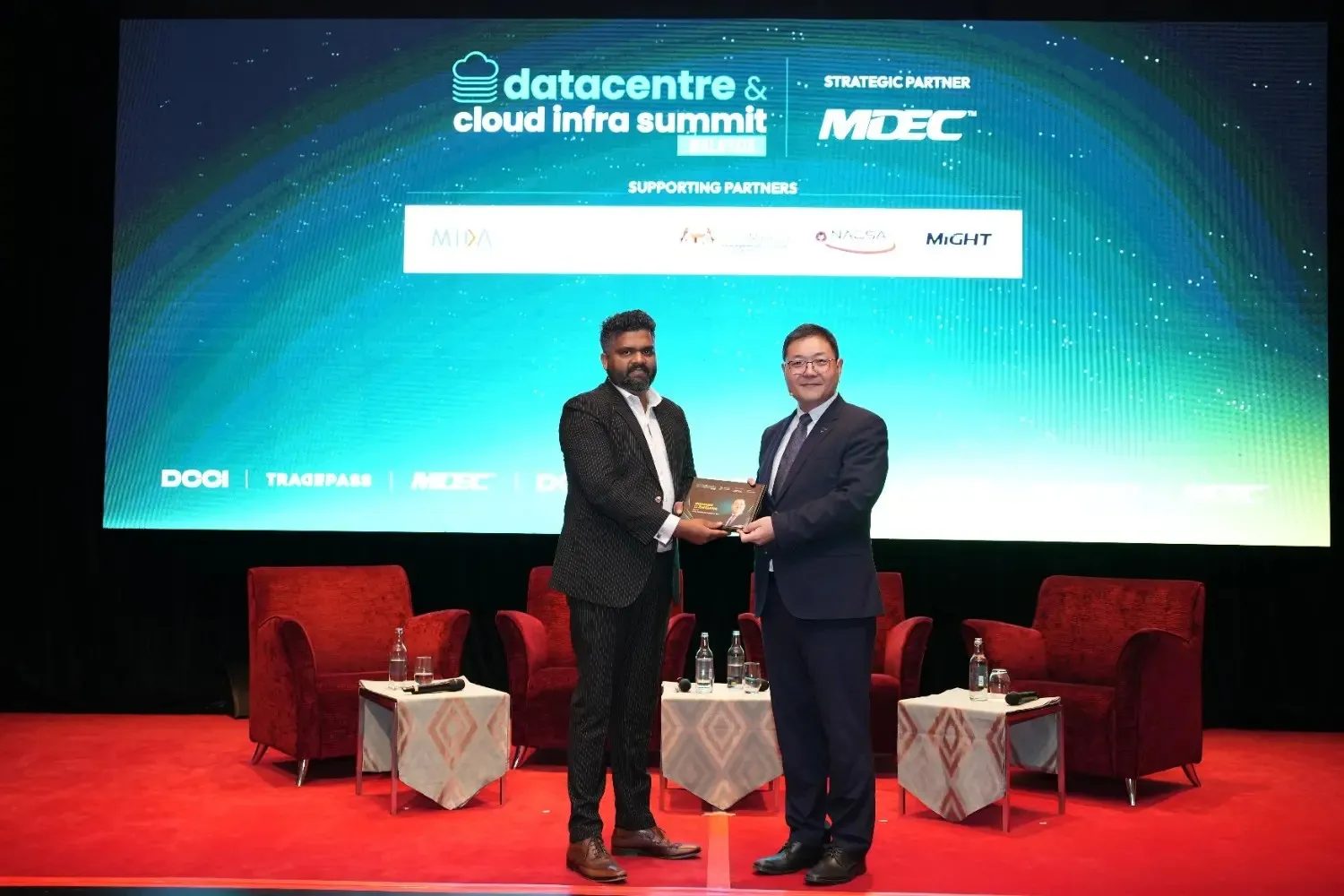
Driving collaboration, innovation, strategic partnerships, and knowledge sharing across the digital ecosystem, DCCI Malaysia brings together industry leaders, cloud experts, infrastructure providers, and enterprise decision-makers. The event features keynote sessions, panel discussions, networking opportunities, and technology exhibitions focused on data centres, cybersecurity, AI, sustainability, and digital infrastructure, helping professionals exchange insights, build valuable connections, and explore practical solutions for future business growth.
About the Author